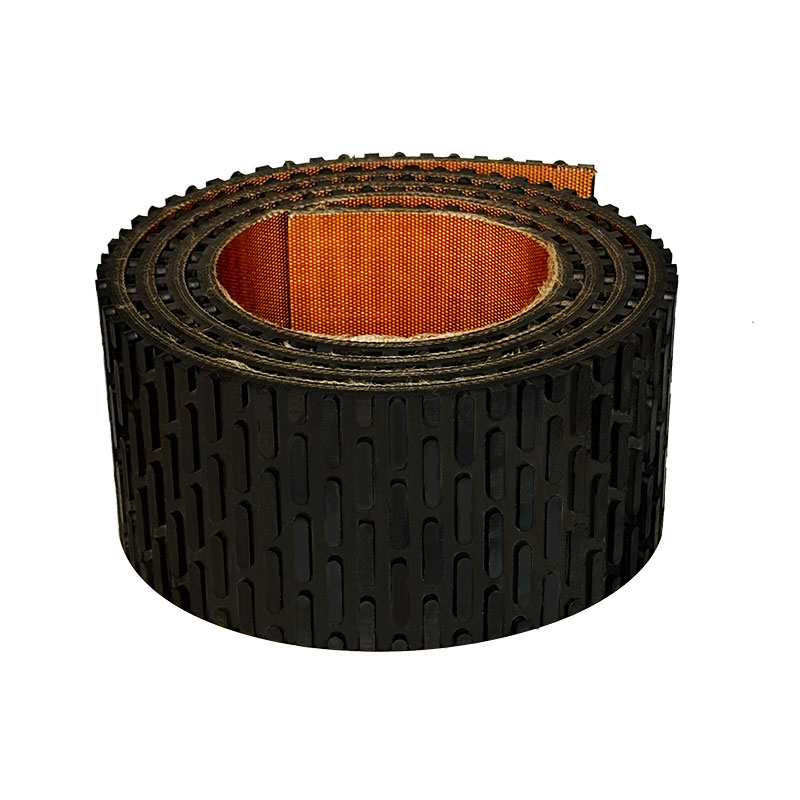
Understanding Load Capacity Requirements for Industrial Conveyor Belts
Load capacity is one of the most important factors when selecting an industrial conveyor belt. Whether a belt is used in manufacturing, material handling, packaging, or other industrial operations, it must support the required load without excessive stretching, deformation, or premature wear. Choosing a belt based only on its dimensions or appearance can lead to operational problems if its load-bearing capability does not match the actual working conditions. The first step in evaluating load capacity is understanding what the conveyor will transport. Lightweight packaged goods place different demands on a belt than heavy components, bulk materials, or products with sharp edges. The weight of the transported material, the amount carried at one time, and the distribution of that weight across the belt all influence the selection process. A belt that performs well under evenly distributed loads may behave differently when materials are concentrated in a small area.
The weight of the material is not the only consideration. Conveyor speed, belt width, support spacing, and the distance between rollers can also affect how the belt performs under load. A longer unsupported section may experience greater sagging, while a narrow belt carrying concentrated loads may face increased local stress. These factors should be evaluated together rather than treated as separate specifications. Industrial conveyor belts are also exposed to forces during starting, stopping, and changes in operating speed. When a loaded conveyor starts suddenly, the belt may experience additional tension beyond the force created by the material's static weight. Frequent starts and stops can increase mechanical stress, particularly in systems handling heavy products. Understanding these operating conditions helps manufacturers and equipment designers select a belt with suitable strength and stability.
The construction of the belt plays a major role in determining its load-bearing performance. Rubber compounds influence flexibility, abrasion resistance, and the ability to withstand repeated contact with transported materials. Reinforcement layers, where used, help improve tensile strength and dimensional stability. The combination of rubber formulation and reinforcement structure should match the intended application, especially when the conveyor operates continuously or carries demanding loads. Belt thickness is another factor that requires careful consideration. A thicker belt may provide additional material and support for certain applications, but thickness alone does not determine load capacity. The belt's internal construction, material properties, width, and operating arrangement are equally important. Selecting an unnecessarily thick belt can increase weight and resistance, while a belt that is too thin may not provide the durability required for the application.
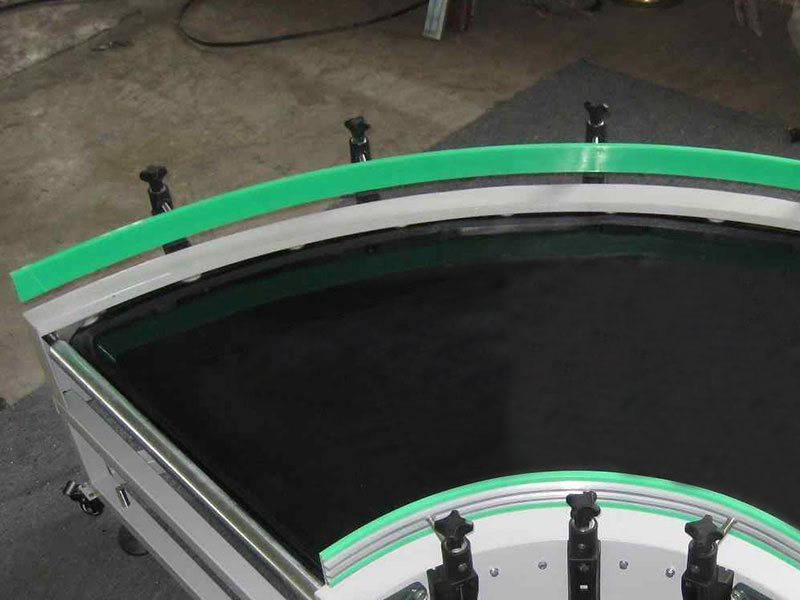
Environmental conditions can further influence load capacity over time. Heat, moisture, oils, chemicals, and abrasive particles may affect the condition of the belt, depending on its material composition. Repeated exposure to unsuitable conditions can gradually reduce flexibility, damage the surface, or weaken the belt structure. For this reason, buyers should consider not only the initial load requirement but also the environment in which the belt will operate throughout its service life. The way materials are loaded onto the conveyor is equally important. Sudden impact from falling objects can create forces much higher than the static weight of the material. Uneven feeding may cause localized stress, while sharp or irregular objects can damage the belt surface. Appropriate loading arrangements, controlled feeding, and suitable transfer points can help distribute forces more evenly and reduce unnecessary wear.
Regular inspection is essential for confirming that a conveyor belt continues to perform as expected. Signs such as unusual stretching, edge damage, surface cracking, tracking problems, or changes in belt tension may indicate that operating conditions need attention. Maintenance teams should also review whether the conveyor's workload has changed since the belt was selected. An increase in material volume or a change in product weight may require a fresh evaluation of the system's capacity. When choosing an industrial conveyor belt, buyers should provide manufacturers with practical operating information, including the type and weight of materials, belt dimensions, conveying speed, loading method, working environment, and expected operating hours. This information helps manufacturers recommend a suitable construction rather than relying on a single load figure. For customized applications, discussing actual operating conditions can also help identify opportunities to improve service life and reduce maintenance requirements.
Jiangsu Keqiang New Materials Co., Ltd. specializes in the research, production, and sales of special high-performance rubber products, including light rubber conveyor belts. With experience in rubber material development and industrial applications, the company focuses on providing products designed around practical performance requirements. Its customer-oriented approach supports the selection of rubber solutions for different conveying and transmission needs. Understanding load capacity means looking beyond the maximum weight a belt can carry. Material characteristics, operating forces, belt construction, environmental exposure, and maintenance practices all contribute to long-term performance. By evaluating these factors before purchasing, industrial users can make more informed decisions, improve conveyor reliability, and avoid unnecessary downtime. The right conveyor belt is one that matches the real demands of the application while maintaining stable performance throughout its intended service life.