ES
ES  EN
EN  FR
FR  DE
DE  PT
PT  AR
AR  RU
RU Keqiang’s Contribution to Next-Generation Railway Materials
The rapid evolution of railway systems—especially high-speed rail and heavy-haul freight—demands materials that are stronger, lighter, more durable, and more adaptable than ever before. From vibration control to structural reinforcement and precision transmission, material innovation is at the core of next-generation railway development. As a specialized manufacturer of high-performance rubber sheets, conveyor belts, and industrial rubber fabrics, Keqiang plays an important role in advancing railway material solutions through continuous R&D and engineering excellence. One of Keqiang’s most significant contributions lies in vibration mitigation materials. High-speed trains generate intense dynamic loads and high-frequency vibrations that can accelerate track fatigue and compromise passenger comfort. Keqiang develops high-performance rubber sheets and composite rubber materials with optimized damping characteristics. Through controlled elasticity, energy absorption capacity, and fatigue resistance, these materials are well-suited for rail pads, under-sleeper pads, baseplate pads, and structural vibration isolation systems. By reducing stress transmission from wheel to track and substructure, Keqiang’s materials help extend infrastructure lifespan and lower maintenance frequency.
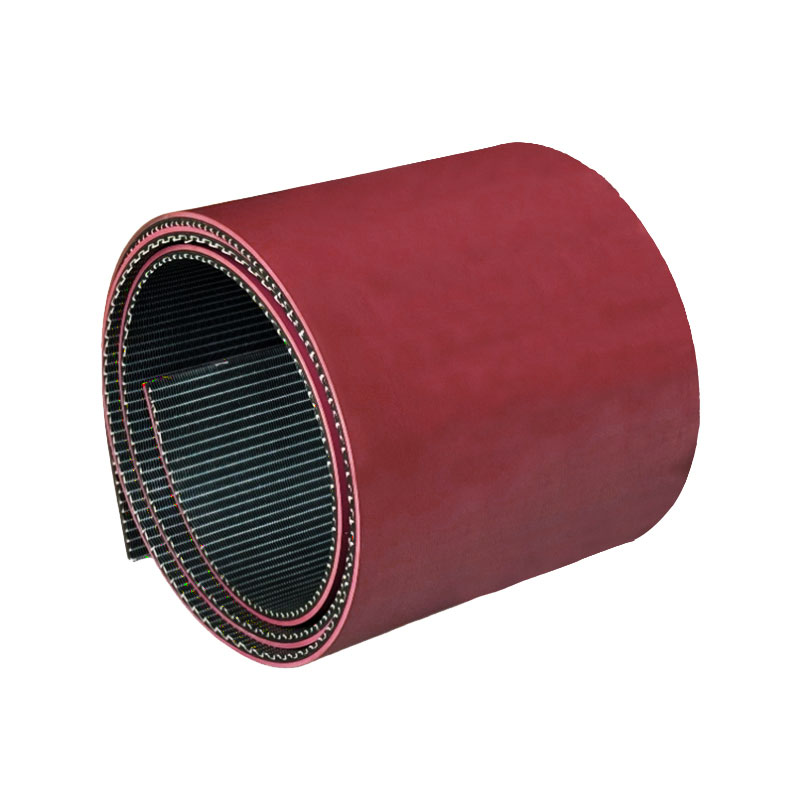
Durability under extreme operating conditions is another critical factor in next-generation railway systems. Railway environments expose materials to cyclic loads, temperature fluctuations, moisture, oils, and UV radiation. Keqiang focuses on advanced compounding techniques and high-density reinforcement structures to enhance tensile strength, tear resistance, and aging stability. The result is rubber material that maintains stable performance over long service periods, even under continuous heavy-duty use. This reliability supports both high-speed passenger lines and heavy freight corridors. In addition to vibration isolation, conveyor and transmission systems are essential in railway-related logistics, maintenance facilities, and supporting industrial infrastructure. Keqiang’s lightweight yet high-strength rubber conveyor belts contribute to efficient material handling in railway construction sites, maintenance depots, and component manufacturing plants. Designed for precision transmission, low elongation, and consistent surface friction, these belts ensure stable operation at high speeds while reducing downtime and safety risks.
Material innovation also requires adaptability. Modern railway projects vary widely—from urban metro tunnels to elevated bridges and cross-border high-speed corridors. Keqiang emphasizes customized engineering solutions, adjusting rubber hardness, thickness, reinforcement layers, and surface treatments to match specific project requirements. This flexibility enables engineers to integrate materials seamlessly into diverse structural and mechanical systems. Another important aspect of next-generation railway materials is sustainability. Longer service life and reduced maintenance translate into lower material consumption and minimized operational disruption. By enhancing wear resistance and fatigue performance, Keqiang’s products contribute to lifecycle cost reduction and environmental responsibility. Improved vibration control also reduces noise pollution, supporting greener urban transportation systems.
Furthermore, innovation in railway materials increasingly intersects with smart infrastructure development. Consistent mechanical stability and predictable performance characteristics are essential for systems integrated with digital monitoring and predictive maintenance technologies. Keqiang’s precision-controlled manufacturing processes ensure uniform material quality, which is critical for reliable system modeling and performance forecasting. Looking ahead, railway systems will continue to push boundaries in speed, load capacity, and automation. This evolution requires material partners capable of combining material science expertise with real-world engineering experience. Through continuous research, advanced production technology, and a commitment to quality, Keqiang contributes to the foundation of next-generation railway materials—supporting safer tracks, smoother rides, and more sustainable transportation networks worldwide.