RU
RU  EN
EN  FR
FR  DE
DE  ES
ES  PT
PT  AR
AR From Sealing to Shock Absorption: Rubber Applications in Modern Rail Systems
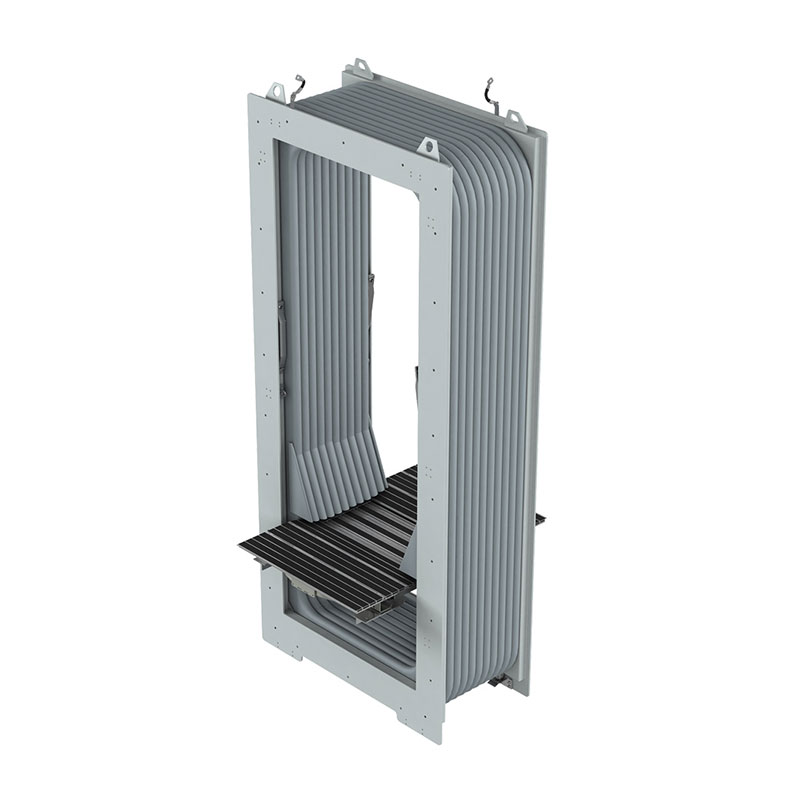
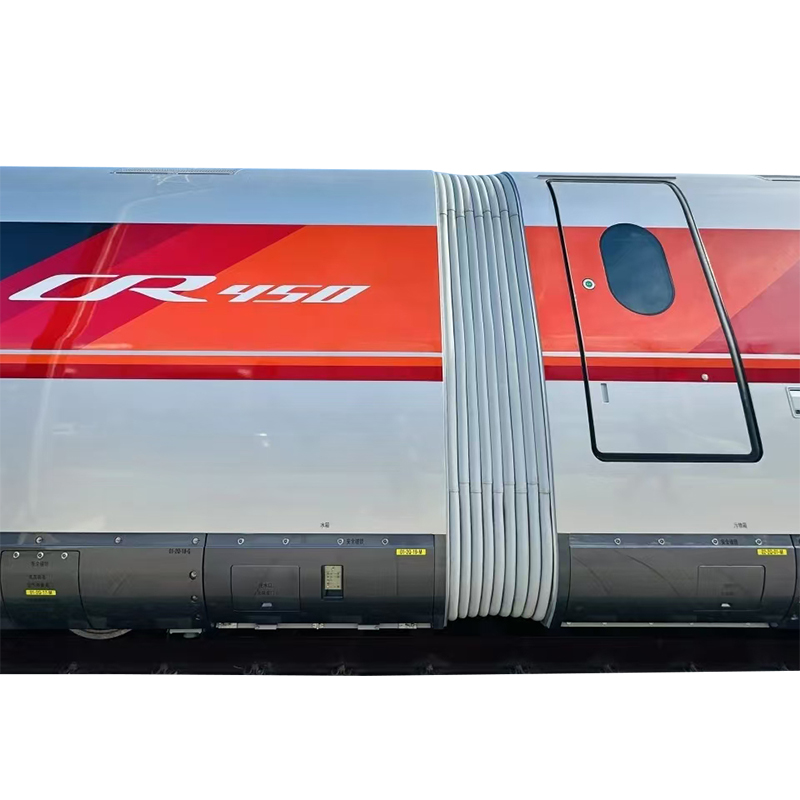
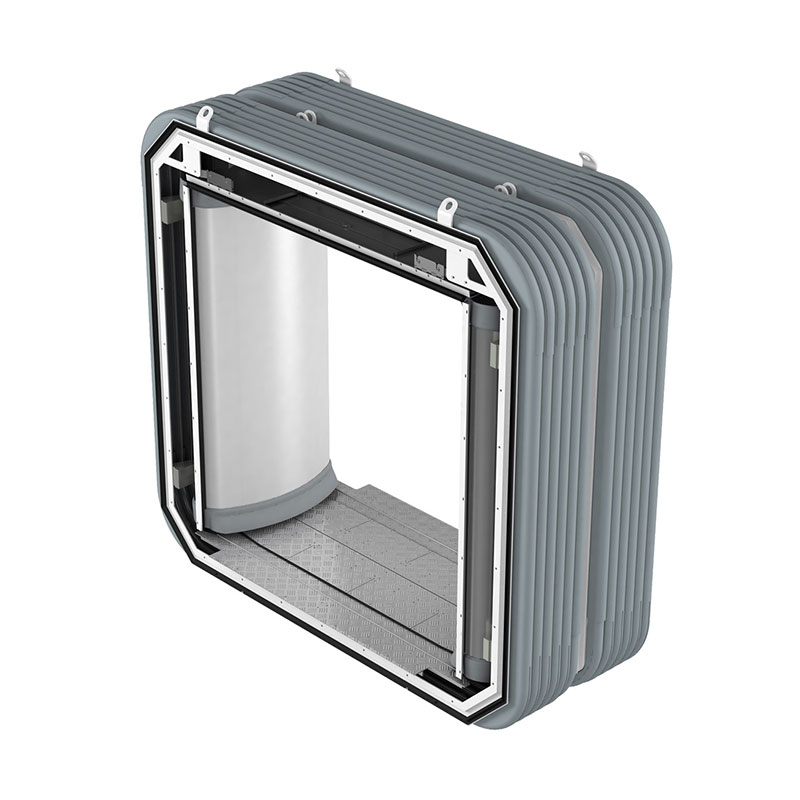
Modern rail systems, particularly high-speed and urban transit networks, demand materials that can deliver reliability, safety, and long-term durability under extremely demanding conditions. Among the many materials used in railway engineering, rubber plays a crucial and versatile role. From sealing critical components to absorbing vibration and shock, rubber materials contribute significantly to the performance and longevity of modern rail infrastructure. Their unique combination of elasticity, durability, and environmental resistance makes them indispensable across a wide range of railway applications. One of the primary applications of rubber in rail systems is sealing. Rail vehicles and infrastructure components are constantly exposed to moisture, dust, temperature changes, and mechanical stress. Rubber seals are used in doors, windows, cable systems, equipment housings, and structural joints to prevent water ingress and protect sensitive systems. Effective sealing is particularly important in underground metro systems and high-speed trains, where maintaining airtight and watertight conditions ensures both passenger comfort and equipment reliability. High-performance rubber seals maintain flexibility across wide temperature ranges and resist aging, ensuring long-term protection in demanding environments.
Rubber is also essential for vibration and shock absorption within rail tracks and vehicle structures. As trains move along rails, dynamic forces are generated through wheel–rail interaction. These forces can create vibrations that travel through the track system, affecting nearby structures and reducing passenger comfort. Rubber components such as rail pads, under-sleeper pads, and base plate pads are designed to absorb these forces. By acting as elastic buffers between rigid metal and concrete components, rubber materials reduce the transmission of vibration and help stabilize the track structure. Another important role of rubber in rail systems is noise reduction. Urban rail networks often operate close to residential areas, where noise pollution can become a significant concern. Rubber-based vibration isolation materials help reduce structure-borne noise by dampening mechanical vibrations before they spread through the track bed and surrounding infrastructure. This contributes to quieter rail operations and supports environmental standards in densely populated regions.
Durability is another key advantage of rubber materials in railway environments. Rail systems operate continuously and are exposed to heavy loads, weather conditions, oils, and chemicals. High-performance rubber compounds are engineered to withstand repeated compression, temperature variations, and environmental exposure without losing elasticity or strength. This resilience helps extend the service life of railway components while minimizing maintenance requirements and operational interruptions. Rubber materials also play an important role in protecting equipment and improving operational safety. Flexible rubber components are used as buffers, protective linings, and cushioning elements in rail vehicles and infrastructure. These materials help absorb impact forces during operation, reduce wear on mechanical parts, and protect sensitive equipment from damage caused by vibration or mechanical shock.
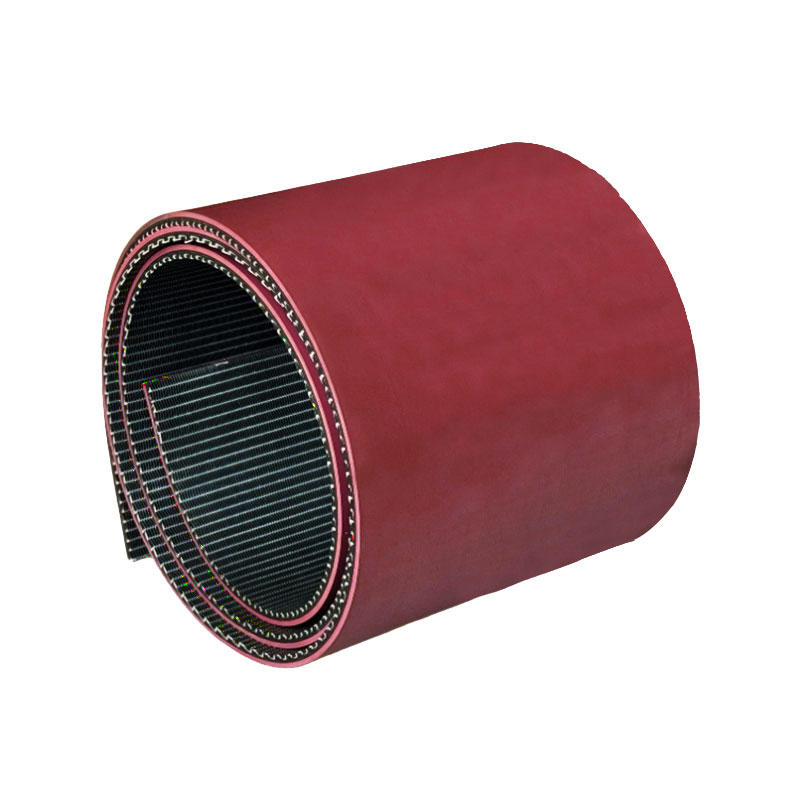
In addition to performance benefits, rubber components offer design flexibility for modern rail engineering. Rubber can be molded, layered, or reinforced with fabrics and other materials to create customized solutions for different parts of the railway system. This adaptability allows engineers to tailor materials to specific performance requirements, whether for high-speed rail, metro systems, or heavy freight lines. As railway networks continue to expand and evolve, the demand for advanced materials capable of supporting higher speeds, heavier loads, and greater efficiency will continue to grow. Rubber technology will remain at the center of these developments, providing solutions that enhance comfort, safety, and durability. From sealing critical components to reducing vibration and absorbing shock, rubber materials form a vital foundation for the reliable operation of modern rail systems.