How Rubber Formulation Impacts Product Lifespan and Performance
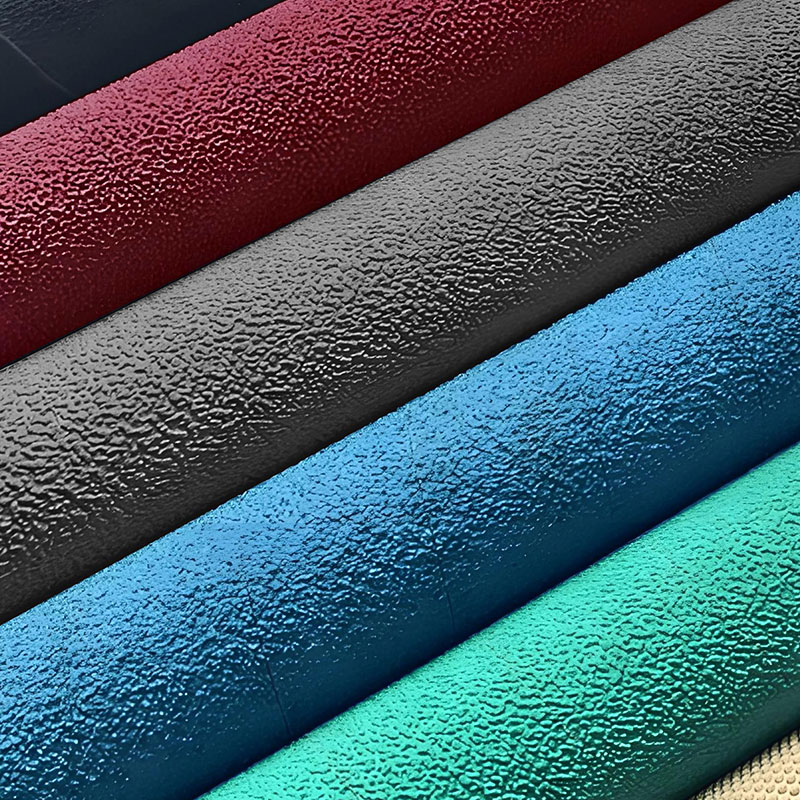
Rubber products are used in some of the most demanding industrial environments, where they must withstand heat, pressure, friction, chemicals, and continuous mechanical stress. While the external appearance of rubber materials may seem similar, their actual performance and service life depend heavily on one critical factor: formulation. Rubber formulation is the process of selecting and balancing polymers, fillers, curing agents, additives, and reinforcement materials to achieve specific properties. The quality of this formulation directly determines how long a product lasts and how effectively it performs in real-world applications. At the center of every rubber formulation is the base polymer. Different polymers provide different characteristics. Natural rubber offers excellent elasticity and tensile strength, while silicone rubber provides outstanding heat resistance and aging stability. Nitrile rubber is known for oil resistance, and EPDM performs well in outdoor and weather-exposed environments. Choosing the correct base polymer is the foundation for ensuring that a rubber product can function reliably under its intended operating conditions.
Fillers are another major component influencing product performance. Reinforcing fillers such as carbon black and silica improve tensile strength, wear resistance, and durability. The type, size, and distribution of filler particles affect the rubber’s mechanical behavior and resistance to fatigue. A properly formulated rubber compound balances flexibility with strength, ensuring that the material can endure repeated stress without cracking or deformation. Curing systems also play a critical role in lifespan and performance. During vulcanization, chemical crosslinks are formed within the rubber structure, giving the material its elasticity and stability. The density and quality of these crosslinks determine properties such as heat resistance, compression set, and mechanical strength. Poor curing can lead to premature aging, brittleness, or inconsistent performance. Advanced formulations carefully control curing chemistry to achieve long-term reliability.
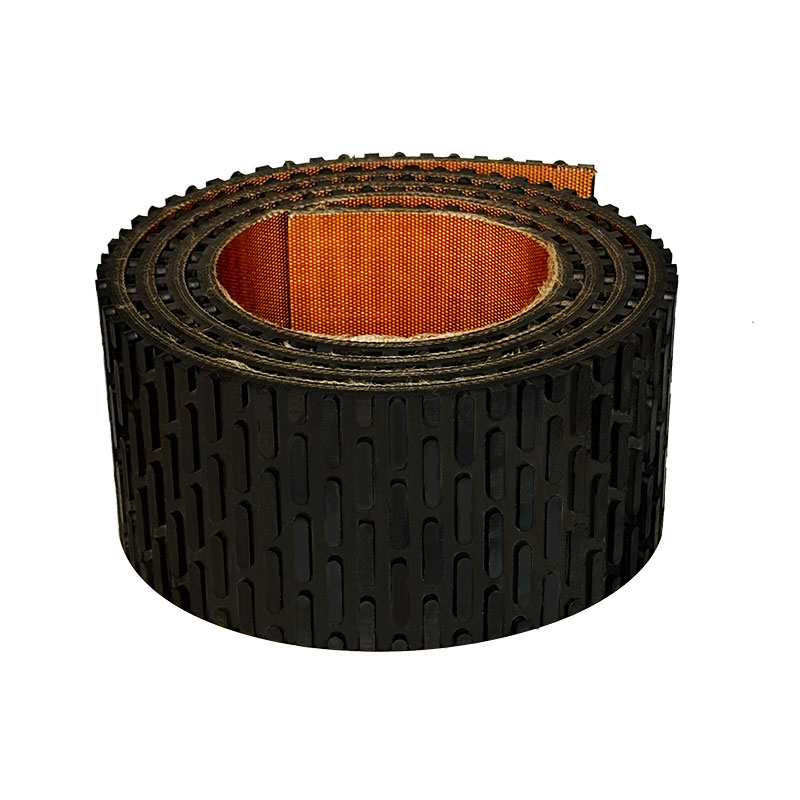
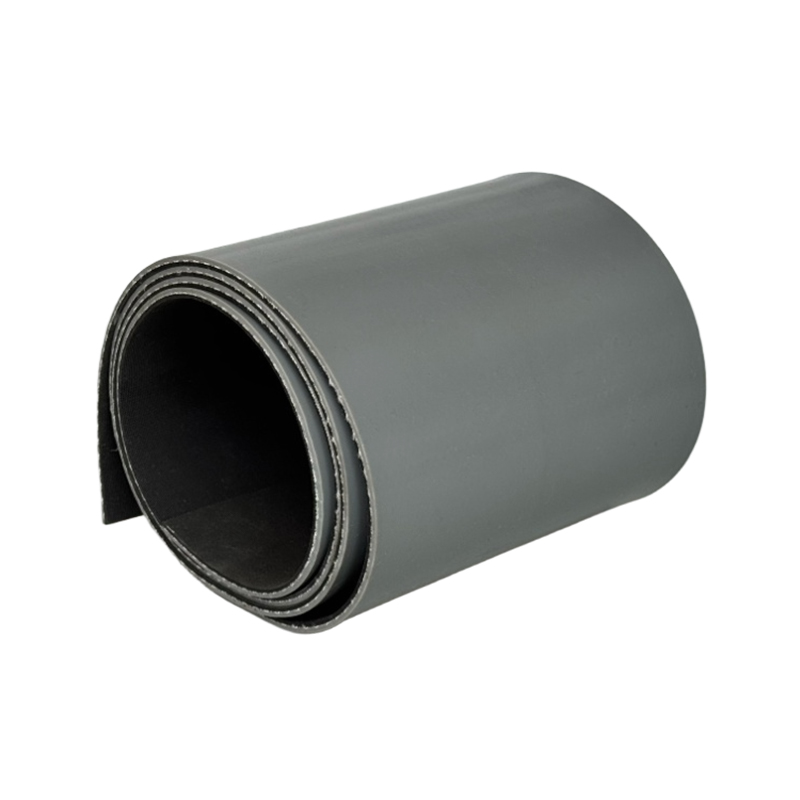
Temperature resistance is one of the most important areas affected by formulation. Rubber products used in high-temperature applications must resist thermal degradation and maintain elasticity over extended periods. Specialized additives and heat-stable polymers allow silicone rubber sheets, conveyor belts, and industrial seals to operate under extreme conditions without hardening or cracking. Without proper thermal formulation, rubber materials can quickly lose their functional properties and fail prematurely. Chemical resistance is equally dependent on formulation design. Industrial environments often expose rubber products to oils, acids, solvents, moisture, and UV radiation. Additives such as antioxidants, anti-aging agents, and stabilizers help protect the rubber from chemical attack and environmental degradation. The right combination of ingredients extends product lifespan and maintains consistent performance in harsh operating conditions.
Mechanical properties such as abrasion resistance, tear strength, and elasticity are also directly influenced by formulation. Conveyor belts, sealing products, and vibration isolation materials require specific balances between hardness and flexibility. A rubber product that is too soft may wear quickly, while one that is too rigid may crack under repeated stress. Advanced formulations optimize these characteristics to ensure durability without sacrificing functional performance. Formulation also impacts processing quality and product consistency. Uniform dispersion of ingredients improves dimensional stability, surface smoothness, and structural integrity. This is particularly important for precision products such as silicone rubber sheets used in photovoltaic lamination or high-speed conveyor systems, where even minor inconsistencies can affect operational performance.
Another important consideration is aging resistance. Over time, exposure to oxygen, ozone, sunlight, and temperature changes can degrade rubber materials. Carefully selected stabilizers and anti-aging additives slow this process, allowing products to maintain flexibility and strength throughout their service life. This long-term stability reduces maintenance frequency and lowers replacement costs for industrial users. In modern industrial applications, customers increasingly demand materials that combine durability, efficiency, and reliability. Achieving these qualities depends not only on manufacturing precision but also on the science behind the rubber formulation itself. Through advanced material research and continuous optimization, manufacturers can create rubber products tailored to specific operating environments and performance requirements.
Ultimately, rubber formulation is the key factor that determines whether a product delivers short-term functionality or long-term value. By carefully engineering every component of the compound, manufacturers can significantly improve product lifespan, operational stability, and overall performance. As industrial demands continue to increase, advanced rubber formulation technology will remain essential for developing high-performance materials capable of meeting the challenges of modern manufacturing and infrastructure.