Quality Control Processes Behind High-Performance Rubber Materials
High-performance rubber materials are expected to deliver consistent reliability under demanding conditions such as high temperatures, mechanical stress, chemical exposure, and continuous operation. Achieving this level of performance is not only a matter of advanced formulation but also the result of rigorous quality control throughout the entire production process. From raw material selection to final inspection, every step must be carefully monitored to ensure that the finished product meets strict technical and performance standards. The quality control process begins with raw material inspection. High-performance rubber products rely on carefully selected base polymers, reinforcing fillers, curing agents, and additives. Each incoming batch of raw materials must be tested for purity, consistency, and compliance with specifications. Parameters such as viscosity, particle size, moisture content, and chemical composition are evaluated to ensure stability in subsequent processing. Any variation at this stage can significantly affect the final product’s mechanical properties and durability.
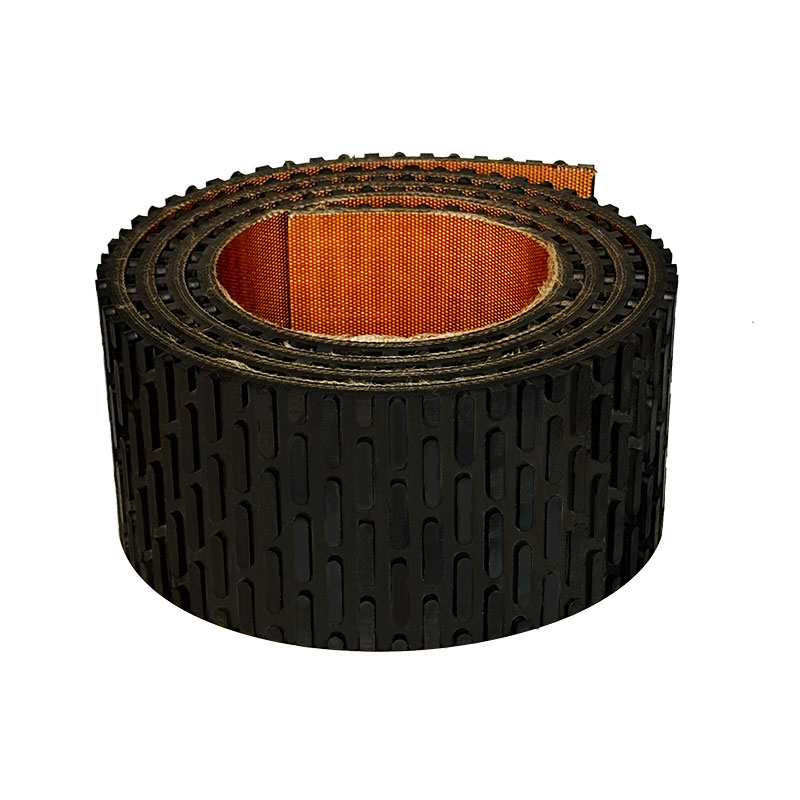
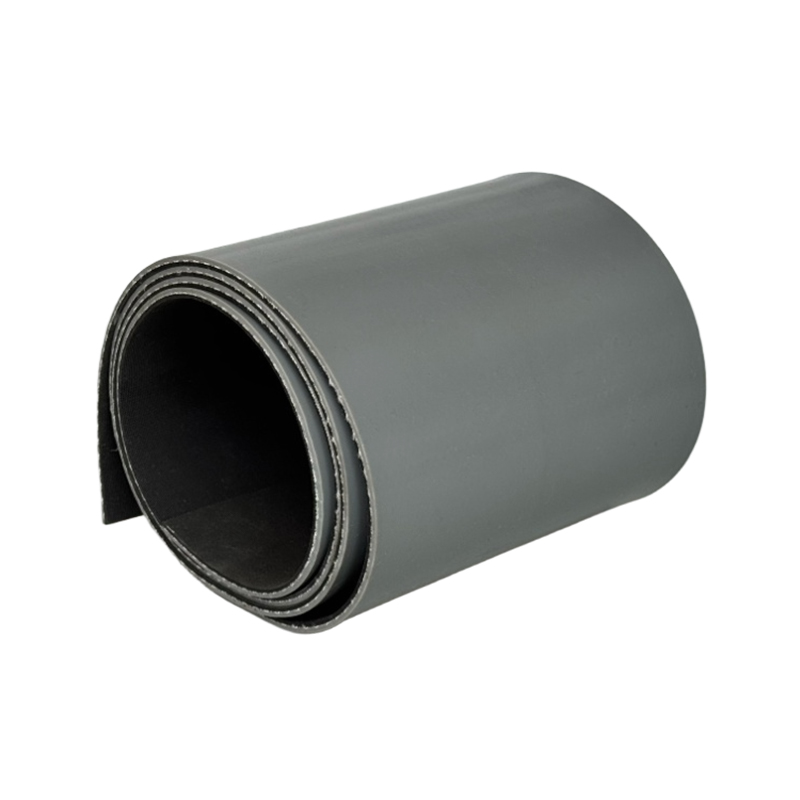
Once raw materials are approved, the compounding process becomes a critical control point. Rubber compounding involves blending multiple ingredients in precise proportions to achieve the desired properties. Advanced mixing equipment is used to ensure uniform dispersion of fillers and additives within the polymer matrix. During this stage, process parameters such as temperature, mixing time, and shear force are strictly controlled. Samples are often taken for testing to verify that the compound meets target specifications before proceeding to the next stage. After compounding, the material moves into forming processes such as calendaring, extrusion, or molding, depending on the product type. Maintaining dimensional accuracy and uniform thickness is essential, especially for products like silicone rubber sheets and conveyor belts. Automated control systems and precision rollers help ensure consistent output, while inline measurement tools monitor thickness and surface quality in real time. Any deviation is immediately corrected to prevent defects from propagating through the production line.
Curing or vulcanization is another key phase where quality control is essential. This process determines the final mechanical properties of the rubber, including elasticity, strength, and heat resistance. Precise control of curing temperature, pressure, and time is required to achieve optimal crosslinking. Under-curing can result in weak, unstable materials, while over-curing may cause brittleness. Continuous monitoring and testing ensure that each batch reaches the desired level of performance. Finished products undergo comprehensive physical and mechanical testing to verify their quality. Common tests include tensile strength, elongation at break, hardness, compression set, and tear resistance. For high-temperature applications, thermal aging tests are conducted to evaluate how materials perform over time under heat exposure. Chemical resistance tests may also be performed to ensure compatibility with oils, solvents, or corrosive environments. These tests confirm that the material meets both internal standards and customer requirements.
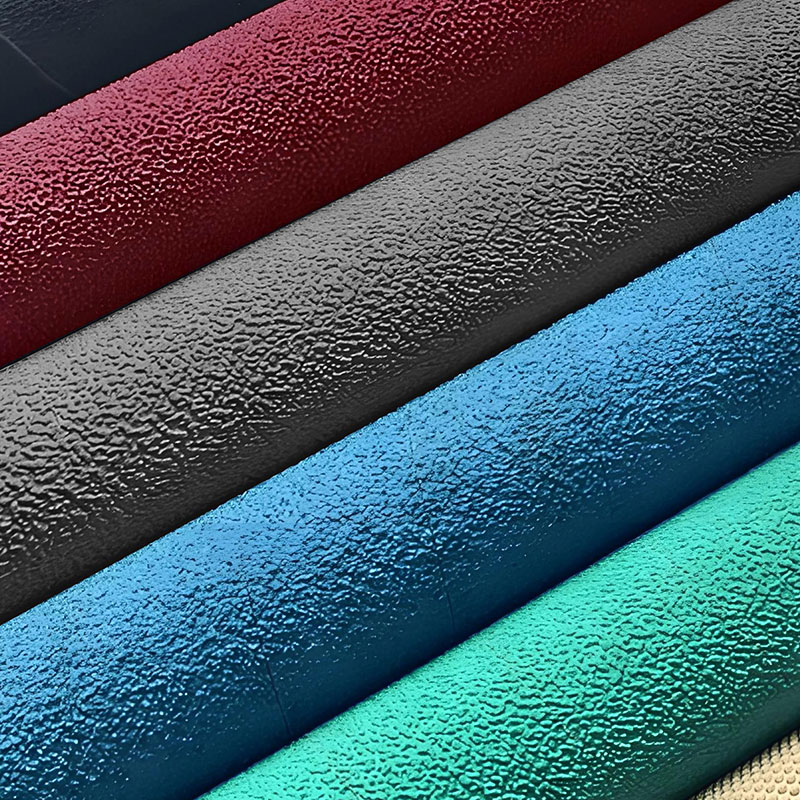
Surface quality and visual inspection are equally important. Defects such as bubbles, cracks, uneven surfaces, or contamination can compromise product performance. Trained quality control personnel conduct detailed inspections to ensure that every product meets appearance and structural standards. In many cases, non-destructive testing methods are also used to detect internal defects that may not be visible on the surface. Traceability is another essential aspect of modern quality control systems. Each batch of material is assigned a unique identification code, allowing manufacturers to track it from raw material sourcing to final delivery. This traceability ensures accountability and enables quick response in case of any quality issues. It also supports continuous improvement by providing data for process optimization and performance analysis.
Finally, packaging and storage conditions are controlled to maintain product quality until it reaches the customer. Proper packaging protects rubber materials from contamination, deformation, and environmental exposure during transportation. Storage conditions such as temperature, humidity, and light exposure are carefully managed to prevent premature aging. In conclusion, the production of high-performance rubber materials depends on a comprehensive and disciplined quality control system. By monitoring every stage—from raw materials to finished products—manufacturers can ensure consistency, reliability, and long service life. This commitment to quality not only enhances product performance but also builds trust with customers and supports long-term success in demanding industrial applications.