Key Performance Indicators for Evaluating Industrial Silicone Sheets
Industrial silicone sheets are widely used in manufacturing processes that require high precision, excellent thermal stability, and long-term durability. Applications such as photovoltaic module lamination, vacuum pressing, hot pressing, glass processing, and composite molding all depend on silicone sheets to deliver consistent performance. Selecting the right product requires more than comparing prices or dimensions. Manufacturers should evaluate several key performance indicators (KPIs) to ensure the material meets operational requirements and delivers long-term value. The first KPI is temperature resistance. Industrial silicone sheets must perform reliably under continuous exposure to elevated temperatures without becoming brittle, cracking, or losing flexibility. High-quality silicone materials maintain their physical properties across a wide temperature range, allowing manufacturers to achieve stable production conditions and reduce the risk of process interruptions caused by material failure.
Another essential indicator is compression set resistance. During industrial operations, silicone sheets are repeatedly compressed under pressure. Compression set measures the material's ability to recover its original thickness after prolonged compression. Silicone sheets with low compression set retain their elasticity over time, ensuring uniform pressure distribution and consistent product quality throughout thousands of production cycles. Tensile strength is equally important when evaluating industrial silicone sheets. This property measures the maximum force the material can withstand before breaking. High tensile strength allows silicone sheets to resist stretching, mechanical stress, and handling damage during installation and operation. Stronger materials generally offer greater durability and longer service life in demanding production environments.
Closely related to tensile strength is tear resistance. Industrial equipment often subjects silicone sheets to repeated movement, friction, and occasional mechanical impact. Materials with excellent tear resistance prevent minor cuts or surface damage from expanding into larger failures. This characteristic reduces replacement frequency and helps maintain stable manufacturing operations over extended periods. Hardness is another critical performance indicator. Measured on the Shore A scale, hardness determines how the silicone sheet responds to pressure. Softer materials provide better flexibility and conform more easily to uneven surfaces, while harder materials offer greater dimensional stability and wear resistance. Selecting the appropriate hardness depends on the specific manufacturing process and the desired balance between flexibility and support.
Thickness tolerance directly affects manufacturing precision. Uniform sheet thickness ensures consistent pressure and heat transfer during lamination, molding, or pressing operations. Even slight variations can create uneven processing conditions, resulting in product defects or lower production efficiency. High-quality silicone sheets are manufactured with precise dimensional control to maintain consistent thickness across every production batch. Another important KPI is thermal conductivity. In many industrial applications, efficient and uniform heat transfer is essential for achieving consistent curing and bonding results. Silicone sheets with stable thermal conductivity distribute heat evenly across the working surface, minimizing temperature variations that could affect product quality. This contributes to higher production yields and more efficient manufacturing processes.
Chemical resistance should also be considered when selecting industrial silicone sheets. Manufacturing environments often expose materials to adhesives, release agents, cleaning solutions, oils, and other chemicals. High-performance silicone compounds resist degradation caused by these substances, maintaining their mechanical properties and surface quality throughout extended service periods. Strong chemical resistance reduces maintenance requirements and extends product lifespan. Another valuable performance indicator is dimensional stability. Silicone sheets should maintain their original size and shape despite repeated exposure to heat, pressure, and mechanical stress. Materials with excellent dimensional stability ensure consistent positioning within production equipment and prevent changes that could reduce manufacturing accuracy or product quality.
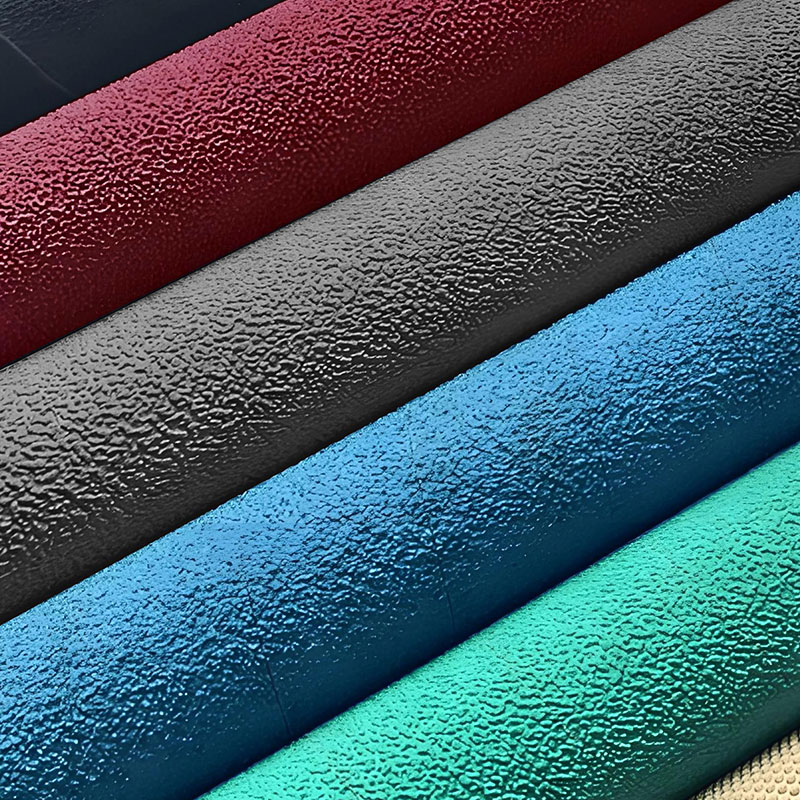
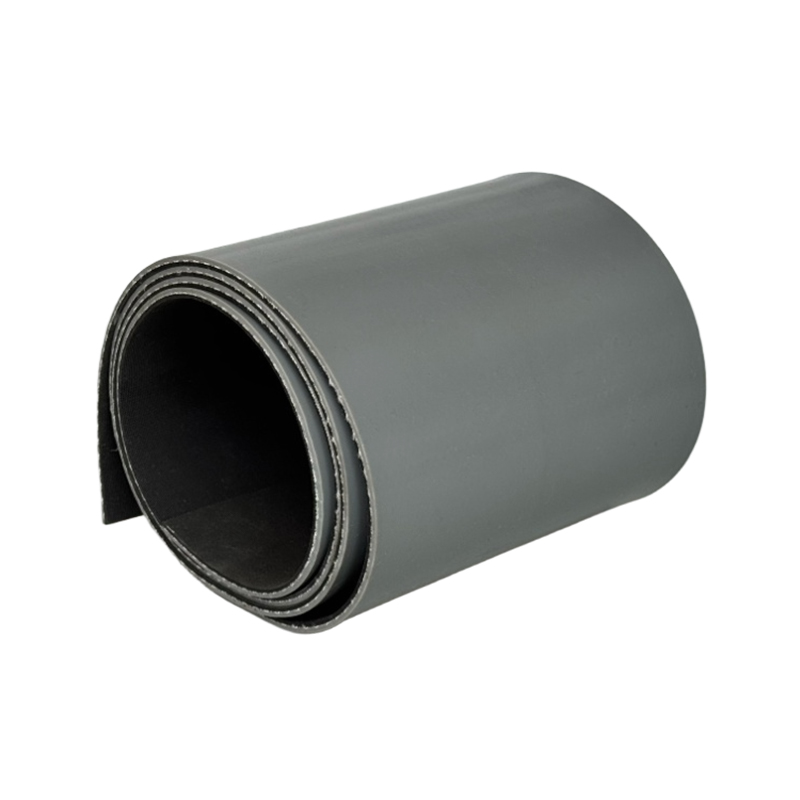
Surface quality also plays an important role in production performance. A smooth, defect-free surface promotes even contact with workpieces while reducing the risk of contamination or unwanted marks on finished products. In precision manufacturing industries, high surface quality helps improve product appearance, reduce scrap rates, and support stable processing conditions. Finally, manufacturers should evaluate the supplier's manufacturing consistency and quality control capabilities. Reliable suppliers use advanced production equipment, strict process control, and comprehensive testing procedures to ensure every batch delivers consistent hardness, thickness, elasticity, and mechanical performance. This consistency minimizes production adjustments and provides customers with dependable long-term performance.