Choosing the Right Silicone Rubber Sheet for High-Temperature Applications
Silicone rubber sheets have become indispensable materials in industries that operate under elevated temperatures and demanding production conditions. From photovoltaic module manufacturing and vacuum lamination to glass processing, composite molding, and industrial sealing, these materials play a critical role in maintaining production efficiency and product quality. However, not all silicone rubber sheets are created equal. Selecting the right sheet for a high-temperature application requires careful consideration of multiple performance factors to ensure long-term reliability and cost-effectiveness. The first factor to evaluate is temperature resistance. High-temperature applications often involve continuous exposure to temperatures ranging from 150°C to 250°C or even higher. A silicone rubber sheet must be able to maintain its elasticity, flexibility, and mechanical properties throughout prolonged thermal exposure. High-quality silicone compounds are specifically engineered to resist thermal degradation, preventing hardening, cracking, or loss of performance over time. Choosing a sheet with an appropriate temperature rating ensures stable operation and reduces the risk of premature material failure.
Heat aging resistance is closely related to temperature performance. In many industrial processes, silicone sheets are exposed to repeated heating and cooling cycles. Inferior materials may gradually lose elasticity or develop surface damage after extended use. High-performance silicone sheets are formulated to withstand long-term thermal aging, allowing them to maintain consistent mechanical properties and operational effectiveness over thousands of production cycles. Another critical consideration is compression set resistance. In applications such as hot presses and vacuum laminators, silicone sheets are repeatedly compressed under pressure. Compression set measures a material's ability to return to its original shape after prolonged compression. A sheet with poor compression set resistance will gradually deform, resulting in uneven pressure distribution and reduced production quality. High-quality silicone rubber sheets retain their elasticity and recovery characteristics, ensuring uniform pressure and reliable process performance.
Mechanical strength is equally important in high-temperature environments. During operation, silicone sheets may be subjected to stretching, compression, abrasion, and mechanical impact. Strong tensile strength and tear resistance help prevent material damage and extend service life. For industrial users, selecting a durable silicone sheet means fewer replacements, reduced maintenance costs, and improved equipment availability. Uniform heat transfer is another key factor in many manufacturing applications. Processes such as solar module lamination and composite material molding require consistent temperature distribution across the entire working surface. Silicone sheets with stable thermal properties help transfer heat evenly, minimizing defects caused by localized temperature variations. This contributes directly to product quality and manufacturing efficiency.
Thickness consistency also plays an important role in performance. Variations in sheet thickness can create uneven pressure during pressing or laminating operations, leading to defects in finished products. Advanced manufacturing techniques ensure uniform thickness and dimensional stability, allowing silicone sheets to deliver predictable and repeatable performance throughout their service life. Chemical resistance should not be overlooked when selecting a silicone rubber sheet. Industrial environments may expose materials to oils, adhesives, cleaning agents, solvents, or process chemicals. High-quality silicone compounds resist chemical attack and maintain their structural integrity even when exposed to harsh substances. This capability helps prevent degradation and supports longer operational life.
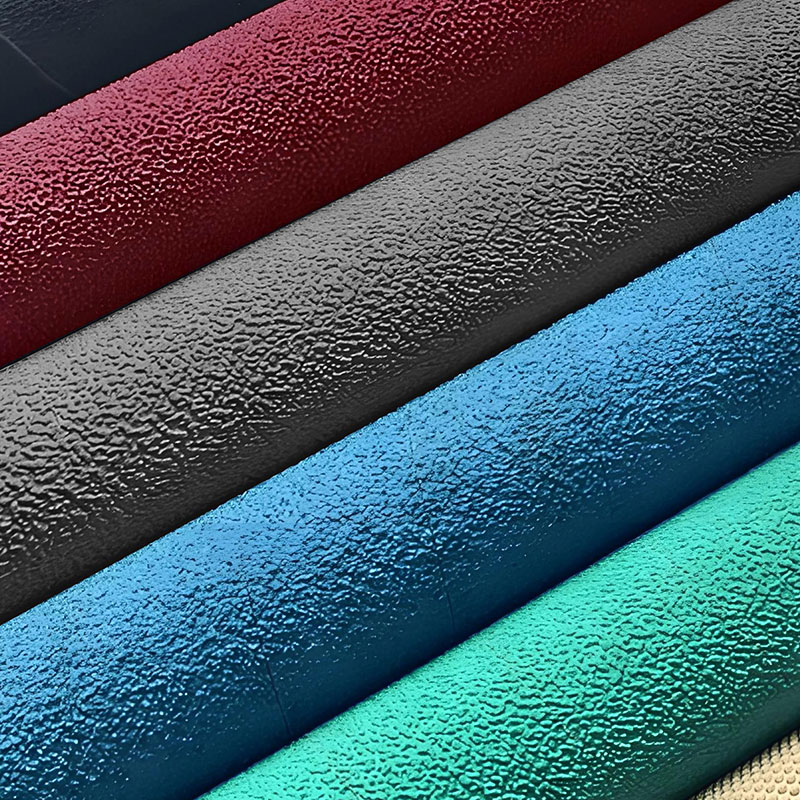
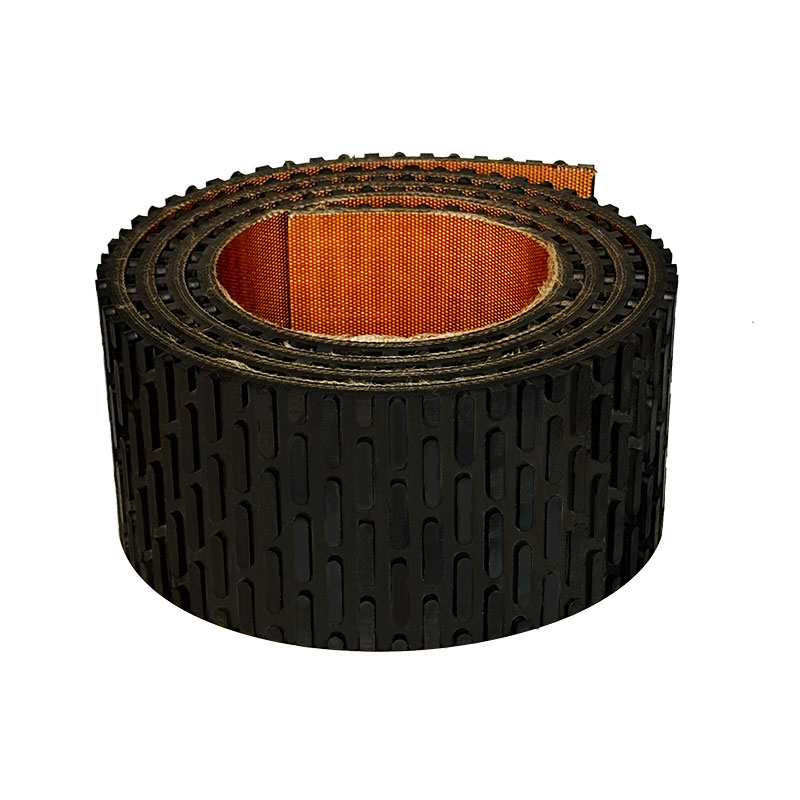
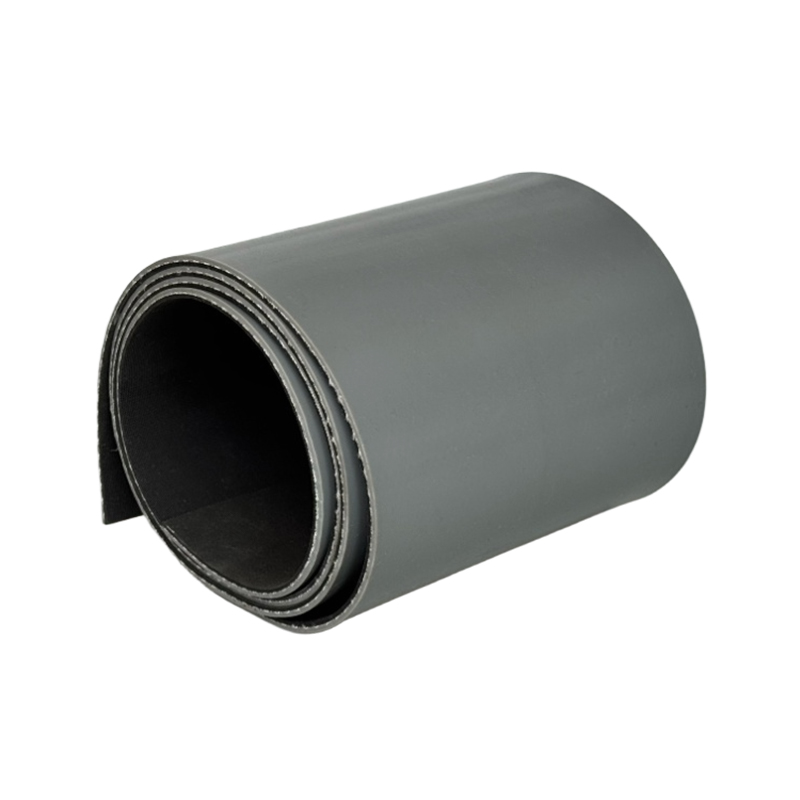
Surface characteristics can also influence application performance. In many high-temperature manufacturing processes, a smooth and non-stick surface is essential. Proper surface design helps prevent adhesion between the silicone sheet and processed materials, reducing contamination risks and simplifying cleaning procedures. This improves production efficiency and helps maintain consistent product quality. For applications involving demanding production cycles, reinforced silicone sheets may offer additional advantages. Reinforcement layers can improve dimensional stability, tear resistance, and overall durability without sacrificing flexibility. These enhanced structures are particularly beneficial in large-format lamination systems and continuous industrial operations where mechanical stress levels are high.
Customization is another important consideration. Different industries have unique operating conditions and performance requirements. Factors such as hardness, thickness, thermal conductivity, reinforcement structure, and surface finish may need to be tailored to specific applications. Working with an experienced manufacturer allows customers to select or develop silicone rubber sheets that precisely match their production needs. As industries continue to pursue higher productivity, better product quality, and longer equipment life, the importance of selecting the right silicone rubber sheet becomes increasingly evident. A carefully chosen material can improve operational efficiency, reduce downtime, lower maintenance costs, and ensure stable performance under extreme conditions. By understanding the key factors that influence high-temperature performance, manufacturers can make informed decisions that deliver long-term value.
For companies seeking reliable solutions in high-temperature environments, advanced silicone rubber sheets represent more than just a material choice—they are an essential component of efficient and dependable industrial operations. Through continuous innovation and material development, manufacturers such as Jiangsu Keqiang New Materials Co., Ltd. continue to provide high-performance silicone solutions that meet the evolving demands of modern industry.