How Global Supply Chain Shifts Are Driving Demand for Domestic Rubber Materials
In recent years, global supply chains have undergone significant transformation due to geopolitical tensions, rising transportation costs, trade policy changes, and disruptions caused by global events. Industries that once relied heavily on imported industrial materials are now reassessing their sourcing strategies to improve stability, reduce risks, and strengthen local manufacturing capabilities. In the rubber materials sector, these changes are creating strong demand for high-quality domestic suppliers capable of delivering reliable and technologically advanced products. For many years, high-performance rubber materials such as silicone sheets, industrial conveyor belts, sealing materials, and specialized rubber fabrics were dominated by overseas manufacturers. Companies often depended on imported products for applications requiring high precision, durability, and technical reliability. However, global supply chain instability exposed the vulnerabilities of relying too heavily on foreign suppliers. Delays in shipping, rising freight costs, fluctuating exchange rates, and shortages of raw materials disrupted production schedules across multiple industries.
As a result, manufacturers are increasingly turning toward domestic rubber material suppliers to ensure more stable and responsive supply chains. Domestic sourcing reduces transportation risks and shortens delivery cycles, allowing companies to react more quickly to changing production demands. For industries operating with strict timelines and continuous production requirements, faster material availability has become a major competitive advantage. Another important factor driving demand for domestic rubber materials is the growing emphasis on supply chain security. Many industries, including renewable energy, rail transportation, electronics, and advanced manufacturing, now consider strategic material independence a long-term priority. Local suppliers are viewed as more reliable partners because they can provide direct communication, technical support, and faster problem-solving compared to overseas suppliers separated by distance and time zones.
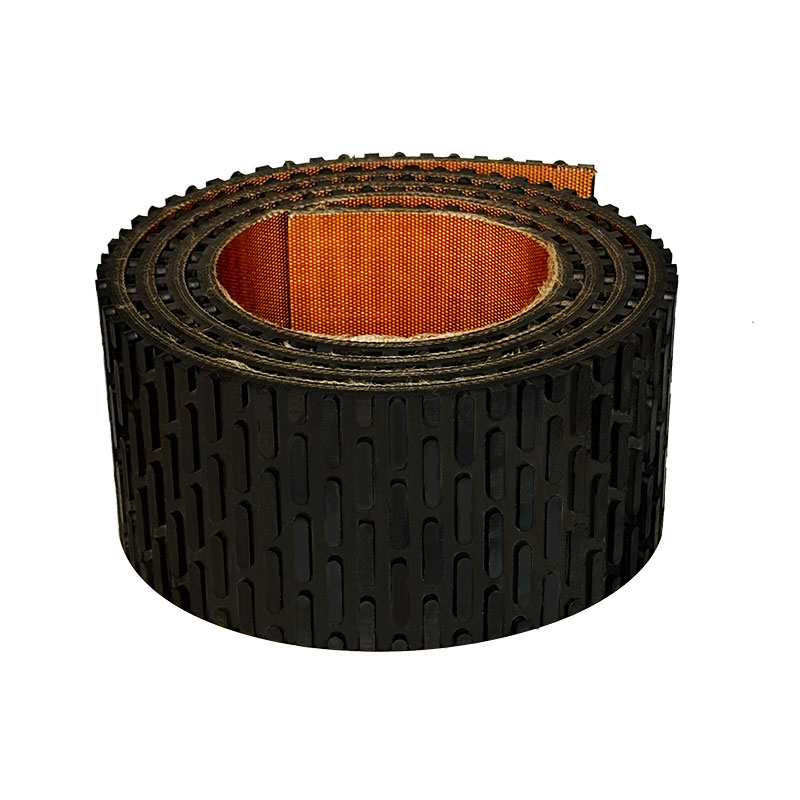
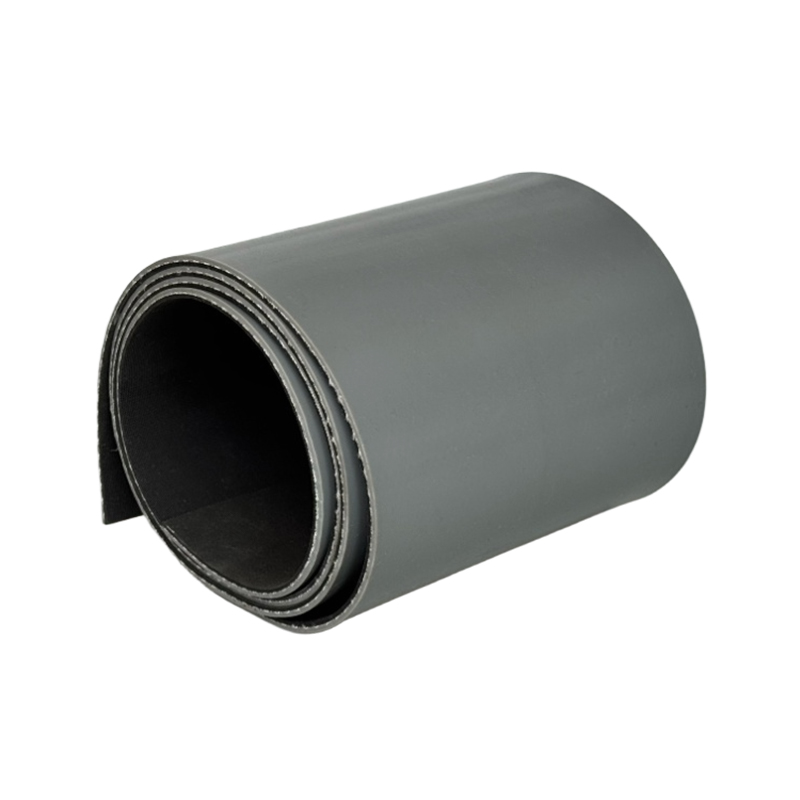
Technological progress among domestic rubber manufacturers has also accelerated this shift. Companies such as Jiangsu Keqiang New Materials Co., Ltd. have invested heavily in research and development, advanced production equipment, and quality control systems. These investments have significantly improved the performance and consistency of domestic rubber products, allowing them to compete directly with imported alternatives. In many applications, domestic silicone rubber sheets, conveyor belts, and special rubber fabrics now meet or exceed international standards in terms of durability, heat resistance, and mechanical performance. Import substitution has become especially important in industries requiring customized solutions. Overseas standard products may not always meet the unique requirements of local production environments. Domestic manufacturers are often better positioned to provide tailored formulations, specialized dimensions, and application-specific engineering support. This flexibility allows customers to optimize performance while improving operational efficiency.
Cost control is another major advantage of domestic sourcing. Rising international logistics expenses and trade uncertainties have increased the total cost of imported materials. Domestic rubber suppliers help reduce transportation expenses, customs-related delays, and inventory pressures. More stable pricing and shorter procurement cycles also allow manufacturers to manage budgets more effectively and maintain better control over production planning. Environmental and sustainability considerations are also influencing supply chain decisions. Shorter transportation distances reduce carbon emissions associated with international shipping, supporting greener manufacturing practices. In addition, local production enables closer monitoring of environmental standards and manufacturing processes, which is becoming increasingly important for global customers focused on sustainability and compliance.
The renewable energy and rail transportation sectors provide clear examples of this trend. As solar module manufacturing and high-speed railway infrastructure continue to expand, demand for reliable domestic rubber materials has grown rapidly. Silicone sheets used in photovoltaic lamination and vibration-damping rubber components for rail systems require stable supply, technical precision, and long-term reliability. Domestic manufacturers with strong R&D capabilities are increasingly filling this demand and reducing dependence on imported materials. Government policies supporting advanced manufacturing and industrial self-reliance are further strengthening the domestic rubber industry. Incentives for technological innovation, smart manufacturing, and local supply chain development encourage companies to upgrade production capabilities and improve product quality. This creates a positive cycle where stronger domestic suppliers contribute to a more resilient industrial ecosystem.
Looking ahead, global supply chain restructuring is expected to continue influencing industrial sourcing strategies. Companies will place greater importance on flexibility, stability, and localized support when selecting material suppliers. Domestic rubber manufacturers that combine technological innovation, consistent quality, and responsive service will be well-positioned to benefit from this shift. As industries seek safer and more reliable supply chains, the role of domestic high-performance rubber materials will continue to expand. Through continuous innovation and manufacturing excellence, companies like Jiangsu Keqiang New Materials Co., Ltd. are helping drive this transformation and supporting the future development of modern industrial supply systems.