The Role of Conveyor Belts in Modern Packaging and Logistics Industries
The rapid growth of e-commerce, automated manufacturing, and global supply chains has created higher demands for speed, accuracy, and efficiency in packaging and logistics operations. Behind many modern warehouses, distribution centers, and production facilities, conveyor belts serve as a critical foundation for automated material movement. By enabling continuous transportation of goods with minimal manual intervention, high-performance conveyor belts help companies improve productivity, reduce labor costs, and maintain stable operations in increasingly competitive markets. Conveyor belts play a fundamental role in streamlining the movement of products throughout packaging and logistics processes. From transporting raw materials and components to moving finished packages for sorting and shipping, conveyor systems create a smooth and organized workflow. Unlike manual handling methods, automated conveyor solutions provide consistent movement speed and positioning accuracy, allowing businesses to process larger volumes of products while maintaining operational efficiency.
One of the most important advantages of modern conveyor belts is their contribution to automation. Today's packaging and logistics industries rely heavily on automated systems such as sorting machines, robotic arms, barcode scanners, and intelligent warehouse management platforms. Conveyor belts act as the connection between these technologies, ensuring products move accurately from one processing stage to another. Stable conveyor performance is essential for maintaining synchronization between different automated systems. Durability is a key factor when selecting conveyor belts for packaging and logistics applications. These systems often operate continuously for long hours, handling thousands or even millions of products each day. Low-quality belts may experience stretching, surface wear, cracking, or damage under repeated use, resulting in production interruptions and increased maintenance costs. High-performance conveyor belts are designed with excellent tensile strength, abrasion resistance, and dimensional stability to withstand demanding working conditions.
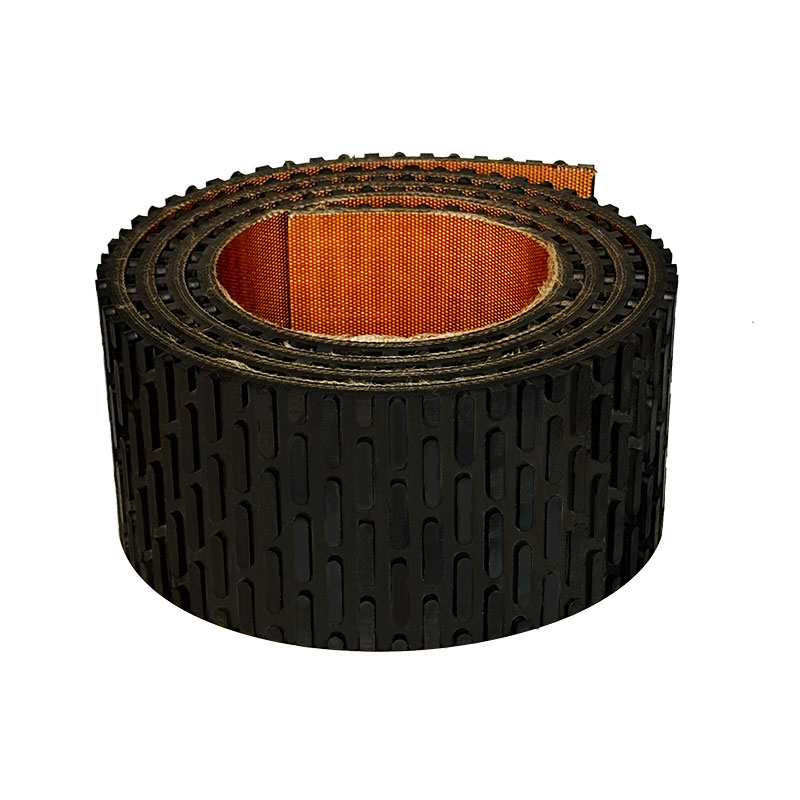
Material handling precision is another important requirement in modern logistics operations. Packaging lines often involve products of different sizes, shapes, and weights. Conveyor belts must provide reliable grip and stable movement to prevent slipping, misalignment, or product damage. Advanced rubber conveyor belts offer optimized surface characteristics that improve friction control while ensuring smooth transportation. This helps maintain product quality and reduces operational errors. Energy efficiency has also become an important consideration in conveyor system design. Lightweight conveyor belts require less driving force, helping reduce energy consumption during continuous operation. At the same time, low-stretch materials minimize power loss caused by unnecessary belt deformation. These advantages allow companies to achieve more sustainable operations while lowering long-term operating expenses.
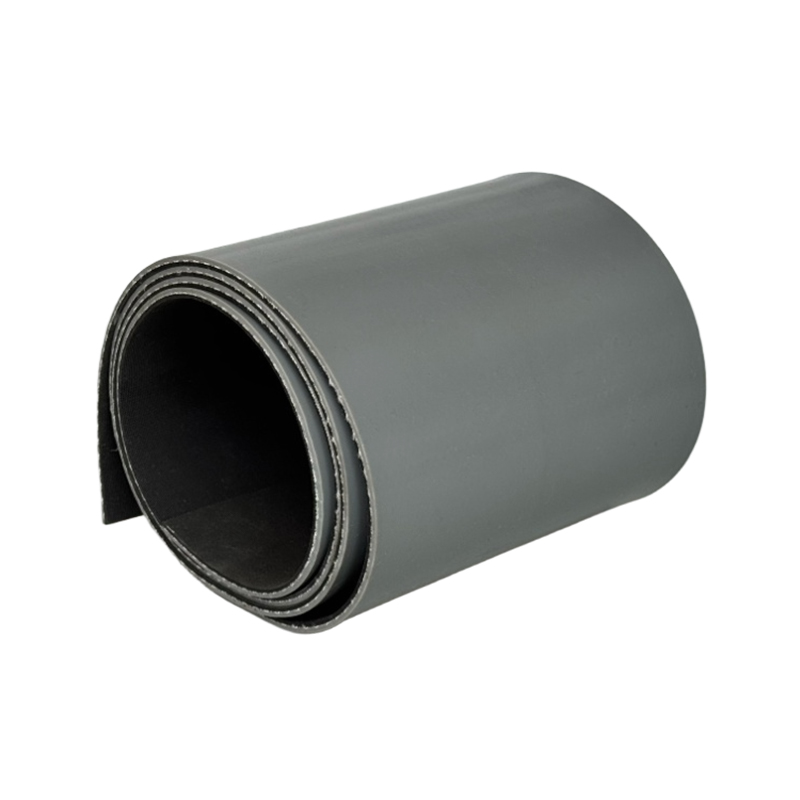
Safety is another area where high-quality conveyor belts provide significant value. In busy logistics environments, unexpected belt failures can create safety risks and disrupt entire workflows. Reliable rubber conveyor belts with strong structural integrity reduce the likelihood of sudden breakdowns. Their stable operation supports safer working environments while helping companies maintain consistent production schedules. The packaging industry also benefits from customized conveyor belt solutions. Different applications require different belt characteristics, including surface texture, thickness, load capacity, and temperature resistance. Food packaging, pharmaceutical logistics, electronics assembly, and heavy industrial packaging each have unique requirements. Customized conveyor belts allow manufacturers to optimize performance based on specific production conditions.
In addition to mechanical performance, environmental resistance is becoming increasingly important. Conveyor belts may be exposed to moisture, dust, oils, cleaning agents, and temperature changes depending on the application. High-performance rubber compounds provide improved resistance against these factors, allowing belts to maintain reliable operation in challenging environments. This extends service life and reduces replacement frequency. For modern warehouses and distribution centers, conveyor systems are also essential for improving order fulfillment speed. As consumer expectations for faster delivery continue to increase, logistics companies must process more orders within shorter timeframes. Efficient conveyor solutions support rapid sorting, packing, and shipping operations, helping businesses remain competitive in the fast-growing e-commerce market.
The future development of packaging and logistics will continue to rely on smarter and more efficient material handling technologies. Conveyor belts will remain a key component in this transformation, supporting automation, productivity improvement, and operational reliability. Through advanced material technology and precision manufacturing, high-performance conveyor belts provide the strength and stability required for modern industrial environments. As a manufacturer specializing in high-performance rubber products, Jiangsu Keqiang New Materials Co., Ltd. develops reliable conveyor belt solutions designed to meet the evolving needs of industrial customers. By combining advanced rubber technology with strict quality control, Keqiang helps packaging and logistics industries achieve smoother operations, reduced downtime, and higher efficiency in their daily production and distribution processes.