How Silicone Materials Help Extend Equipment Service Life
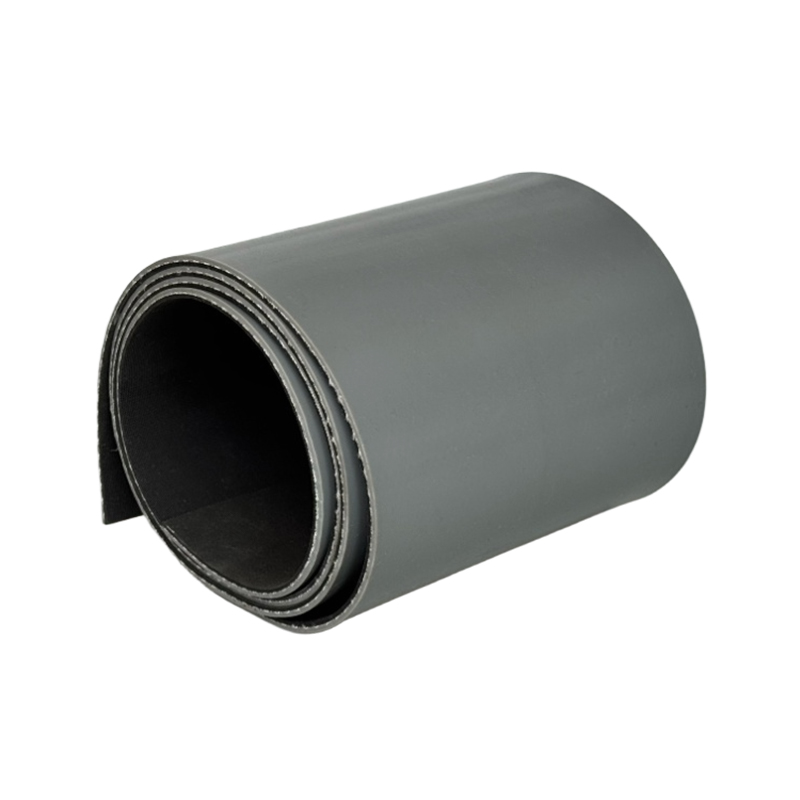
In modern industrial production, equipment reliability directly affects productivity, operating costs, and overall business performance. Machinery used in high-temperature processing, automation systems, renewable energy manufacturing, and industrial production lines often operates under continuous pressure, heat, vibration, and chemical exposure. Without suitable protective materials, equipment components can experience accelerated wear, frequent maintenance requirements, and unexpected downtime. Silicone materials have become an important solution for extending equipment service life due to their excellent thermal stability, durability, flexibility, and resistance to harsh operating conditions. One of the primary ways silicone materials extend equipment lifespan is through their outstanding heat resistance. Many industrial machines operate under elevated temperatures for long periods, which can accelerate the aging of conventional materials. Silicone rubber maintains its flexibility and mechanical properties even when exposed to continuous heat. This makes silicone rubber sheets particularly suitable for applications such as vacuum pressing, hot pressing, and photovoltaic module lamination, where stable performance under high temperatures is essential.
Thermal stability helps protect equipment by reducing material degradation and maintaining consistent operating conditions. When protective components such as silicone sheets, seals, or cushioning layers lose their properties due to heat exposure, equipment efficiency can decline and maintenance frequency can increase. High-performance silicone materials resist hardening, cracking, and deformation, allowing machinery to operate more reliably over extended periods. Another important advantage of silicone materials is their excellent elasticity and compression recovery. Many industrial components experience repeated pressure and mechanical cycles during operation. Over time, materials with poor recovery properties may permanently deform, reducing their effectiveness. Silicone materials with low compression set maintain their original shape after repeated compression, ensuring stable performance in sealing systems, pressing equipment, and vibration-control applications.
Silicone materials also help extend equipment service life by reducing vibration and mechanical stress. Industrial machinery often generates continuous vibration, which can accelerate wear on internal components and structural connections. Silicone rubber has excellent damping properties, allowing it to absorb and reduce vibration energy. By minimizing mechanical stress transmission, silicone components help protect equipment, reduce noise, and improve operational stability. Chemical resistance is another factor that contributes to longer equipment life. Industrial environments may contain oils, cleaning agents, adhesives, solvents, and other chemicals that can damage conventional materials. Silicone compounds offer strong resistance to many chemicals, preventing swelling, deterioration, and performance loss. This protective capability allows equipment components to maintain their function even in challenging production environments.
Silicone materials also provide excellent sealing performance, which is essential for protecting equipment from external contamination. Dust, moisture, and other environmental factors can cause corrosion, electrical failures, and mechanical problems. Silicone seals and protective components create reliable barriers against these elements, helping safeguard sensitive equipment parts and reducing the likelihood of unexpected failures. In precision manufacturing, silicone rubber sheets contribute to equipment longevity by maintaining stable processing conditions. For example, in photovoltaic module production, silicone sheets used during lamination provide consistent pressure and heat distribution. This reduces process fluctuations, minimizes defects, and prevents unnecessary stress on production equipment. Stable operation helps manufacturers maximize equipment utilization and reduce maintenance interruptions.
Another important benefit is resistance to aging and environmental exposure. Equipment used in outdoor or demanding industrial environments must withstand UV radiation, temperature changes, and long-term exposure to harsh conditions. Silicone materials maintain their physical properties over long periods, making them suitable for applications where reliability and durability are critical. The use of high-quality silicone materials can also reduce total ownership costs. Although premium materials may require a higher initial investment, their longer service life and reduced maintenance requirements provide significant economic advantages. Fewer replacements, less downtime, and improved equipment protection help companies achieve better operational efficiency and greater long-term value.
Material quality and manufacturing precision are essential factors in achieving these benefits. Advanced silicone products are developed through careful formulation, precise processing, and strict quality control to ensure consistent hardness, thickness, elasticity, and performance. Manufacturers with strong R&D capabilities can customize silicone solutions according to specific equipment requirements, helping customers achieve optimal results. As industries continue to demand higher productivity and more reliable equipment performance, silicone materials will play an increasingly important role in industrial applications. Their combination of heat resistance, flexibility, durability, chemical resistance, and vibration absorption makes them a valuable material choice for extending equipment service life. Through advanced silicone technology and customized solutions, companies like Jiangsu Keqiang New Materials Co., Ltd. help industries improve reliability, reduce maintenance costs, and achieve more efficient long-term operations.